

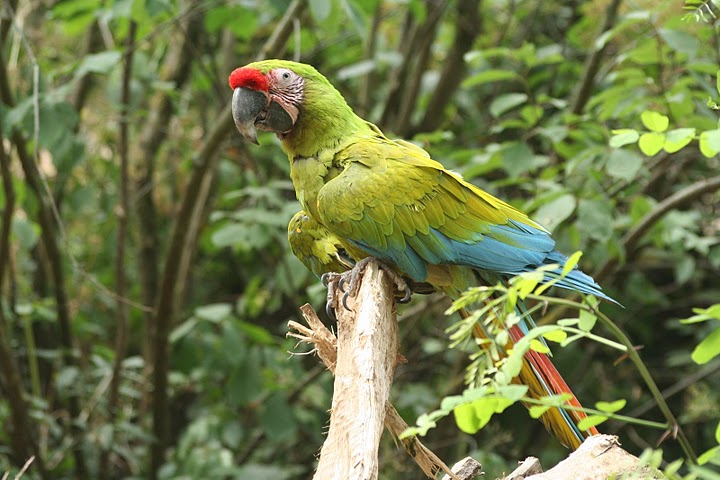
Baby Buffon Macaw Parrots are vibrant, intelligent, and social birds that can bring joy to any home. However, like all exotic pets, they are prone to specific health issues in baby Buffon Macaw Parrots that owners should be aware of. Understanding these common problems and learning preventive measures is key to ensuring your little feathered friend lives a long, healthy life.
Why Health Care Is Crucial for Baby Buffon Macaw Parrots
Buffon Macaw Parrots are known for their playful nature and strong personalities, but their health can be fragile, especially during the early stages of life. Proper care, a balanced diet, regular vet check-ups, and a safe environment can help prevent many common health issues.
Common Health Issues in Baby Buffon Macaw Parrots
1. Respiratory Infections
Respiratory problems are one of the most common health concerns in baby Buffon Macaw Parrots. Symptoms include sneezing, nasal discharge, difficulty breathing, and lethargy.
Prevention Tips:
- Keep the cage clean and well-ventilated.
- Avoid exposure to drafts or sudden temperature changes.
- Use air purifiers to reduce airborne bacteria and dust.
2. Psittacine Beak and Feather Disease (PBFD)
PBFD is a viral infection that leads to feather loss, beak deformities, and immune system suppression.
Prevention Tips:
- Buy baby Buffon Macaw Parrots from reputable breeders with health clearances.
- Quarantine new birds before introducing them to others.
- Regular veterinary screening for early detection.
3. Nutritional Deficiencies
An imbalanced diet can lead to calcium deficiency, obesity, or vitamin imbalances, affecting bone development and overall health.
Prevention Tips:
- Provide a varied diet of pellets, fresh fruits, vegetables, and occasional seeds.
- Supplement with calcium and multivitamins recommended by avian vets.
- Avoid feeding only seeds or fatty treats.
4. Parasitic Infestations
External parasites (mites) and internal parasites (worms) can cause itching, feather damage, weight loss, and digestive issues.
Prevention Tips:
- Maintain good hygiene in cages.
- Regularly check feathers and skin for mites.
- Schedule regular fecal exams at the vet.
5. Behavioral Stress and Feather Plucking
Stress from poor social interaction, improper environment, or lack of stimulation can lead to feather plucking, a serious behavioral issue.
Prevention Tips:
- Spend quality time interacting with your Buffon Macaw daily.
- Provide plenty of toys, perches, and climbing structures.
- Avoid loud noises and sudden environmental changes.
How to Maintain Optimal Health for Baby Buffon Macaw Parrots
- Provide a Spacious Cage – Ensure enough space for movement and play to reduce stress and promote good health.
- Balanced Diet – Incorporate fresh fruits, vegetables, high-quality pellets, and calcium supplements to avoid nutritional deficiencies.
- Regular Vet Visits – Schedule check-ups every 6 months for early detection of health issues.
- Clean Water & Cage Hygiene – Change water daily and clean the cage regularly to prevent infections.
- Proper Lighting & Humidity – Maintain proper light exposure and humidity levels suited for macaws.
Conclusion
Taking care of a baby Buffon Macaw Parrot involves more than just feeding and playing. Being aware of common health issues in baby Buffon Macaw Parrots, from respiratory infections to nutritional deficiencies and behavioral problems, is key to prevention and long-term health.
Implementing the right diet, environment, and regular veterinary care helps your Buffon Macaw grow into a happy and healthy adult bird.
Frequently Asked Questions (FAQs)
What are the early signs of illness in a baby Buffon Macaw Parrot?
Early signs include sneezing, nasal discharge, lethargy, loss of appetite, abnormal droppings, feather plucking, and difficulty breathing. Regular observation and quick action are essential to prevent serious illness.
How often should I take my baby Buffon Macaw Parrot to the vet?
It is recommended to visit an avian veterinarian every 6 months for routine check-ups and vaccinations. If you notice any unusual behavior or symptoms, consult a vet immediately.
What is the best diet for a baby Buffon Macaw Parrot?
A balanced diet includes high-quality pellets, fresh fruits (like apples, papaya, and berries), vegetables (carrots, spinach), and occasional seeds. Calcium and vitamin supplements can be added as recommended by a vet.
Can stress cause health problems in a baby Buffon Macaw Parrot?
Yes, stress can lead to behavioral issues like feather plucking, loss of appetite, and weakened immune system. Avoid loud noises, provide a stable environment, and ensure daily interaction to reduce stress.
How can I prevent respiratory infections in my baby Buffon Macaw Parrot?
Ensure a clean, well-ventilated cage, avoid drafts, maintain stable temperatures, and use air purifiers if needed. Keep the cage away from smoke, strong chemicals, and other birds showing signs of illness.
Is PBFD (Psittacine Beak and Feather Disease) curable in Buffon Macaws?
Unfortunately, PBFD is a viral disease with no known cure. Early diagnosis helps manage symptoms and prevent the spread to other birds. Purchasing from reputable breeders and practicing quarantine measures are essential prevention steps.
